
 Admin
Admin Creamy Pasta with Whipping Cream as a High-Demand Ready-to-Eat Product for Smart Production and Packaging Lines
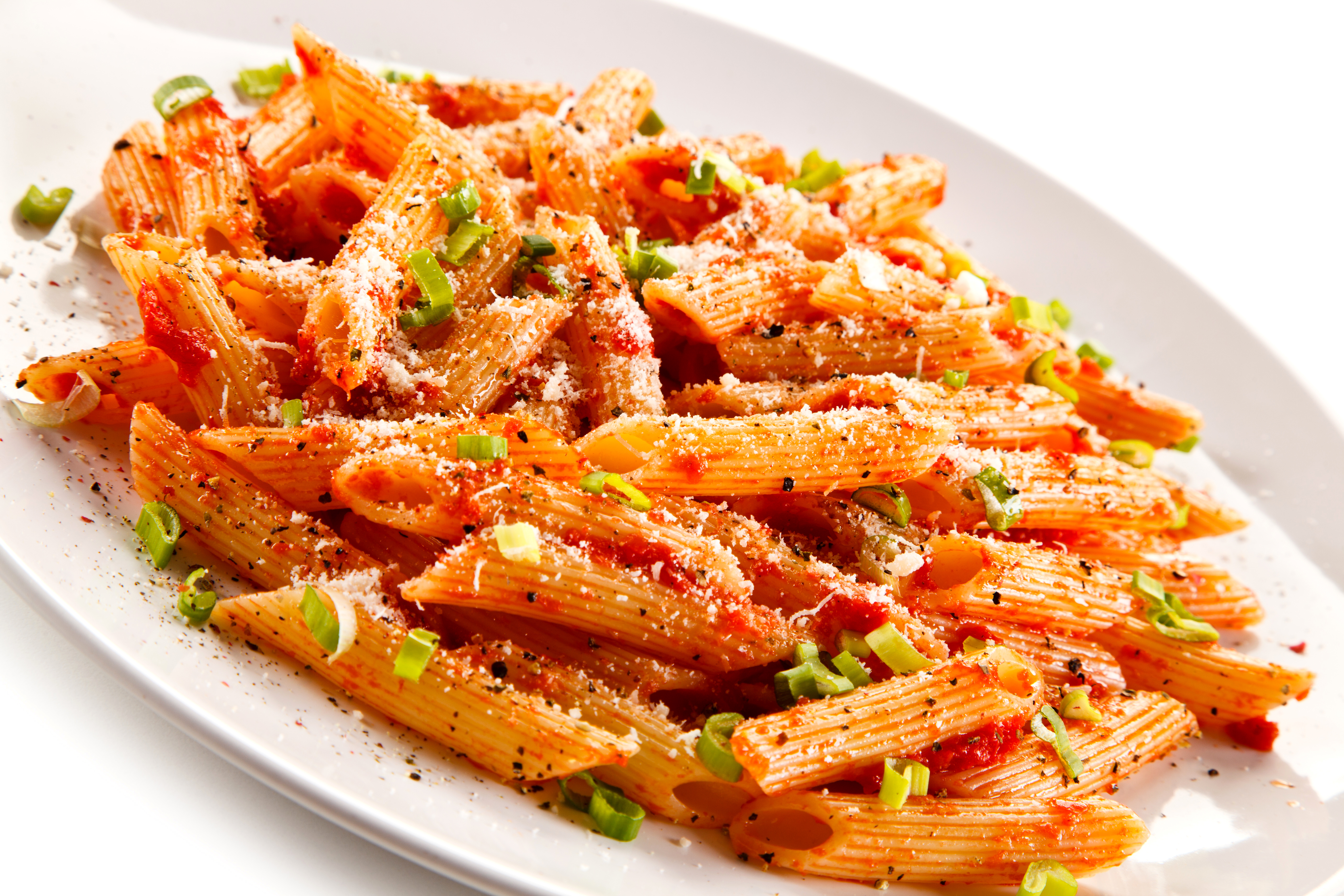
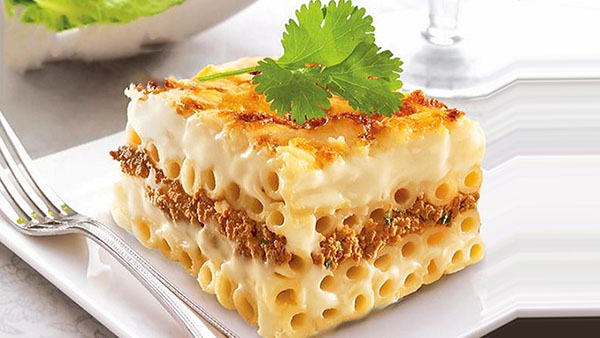
Ready-to-eat meals have become a powerful growth engine for filling and packaging factories. Creamy pasta made with whipping cream stands out as one of the most in-demand products thanks to its quick preparation, wide consumer acceptance, and flexible packaging options.
When this recipe is transformed into a standardized, factory-produced item running smoothly on intelligent production and packaging lines, it delivers high profit margins, fast sales turnover, and strong scalability. It’s not just a recipe — it’s a profitable industrial opportunity.
Why Creamy Pasta Is a Strong Investment Opportunity for Packaging Factories
4
Demand for convenient ready meals continues to rise, especially creamy, comfort-style dishes with balanced flavor profiles.
This product offers:
Stable and affordable raw material costs
Higher final selling prices compared to basic meals
Flexible pack sizes for retail, horeca, and wholesale
Fast market entry through efficient packaging
Packaging factories have a clear advantage because they control shelf life, sealing quality, portion sizes, and distribution efficiency.
What Is an Industrial Ready-to-Eat Creamy Pasta Product
An industrial version consists of partially cooked pasta combined with a thermally stable cream sauce, designed to be reheated and served within minutes.
Commercial success depends on:
Stable texture that doesn’t separate
Consistent taste after reheating
Smooth processing on automated lines
Packaging that protects freshness and extends shelf life
These factors turn a homemade dish into a scalable retail product.
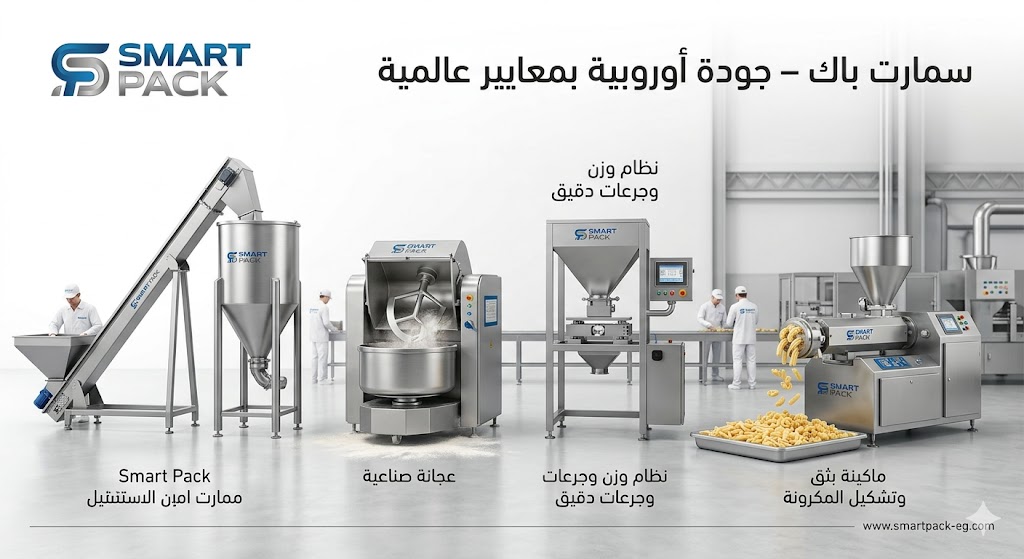
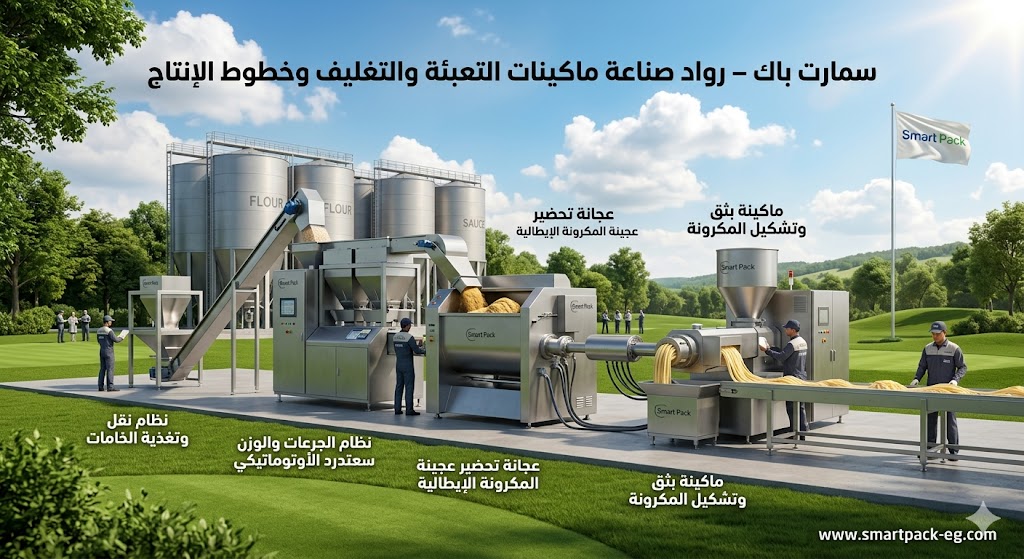
Creamy Pasta Production Line Specifications
4
Choosing an integrated production line ensures consistent quality and easy expansion.
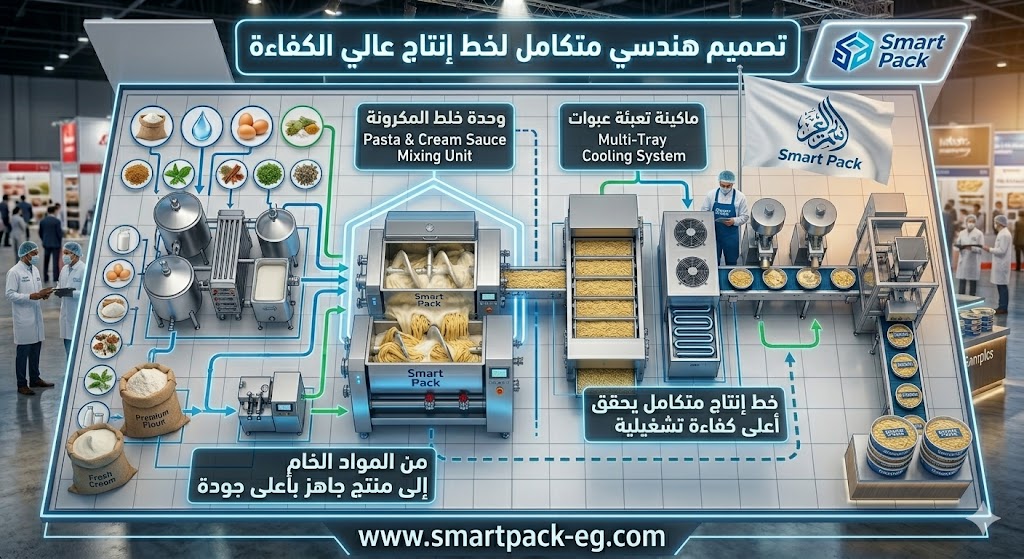
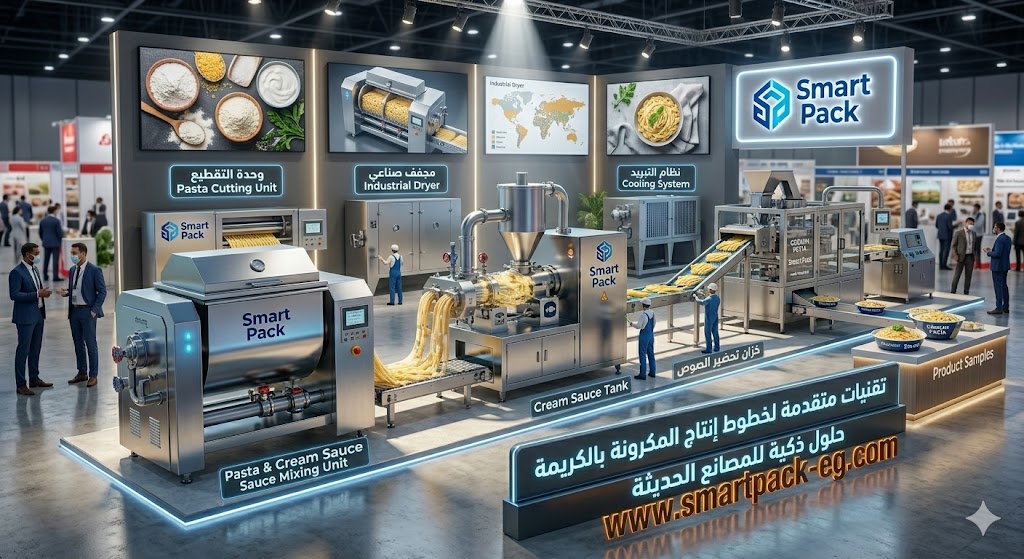
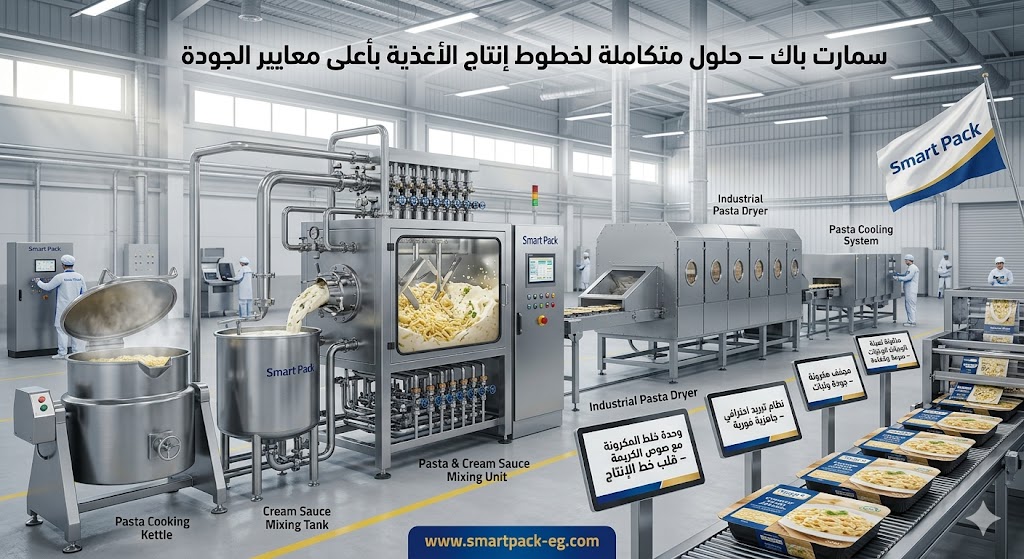
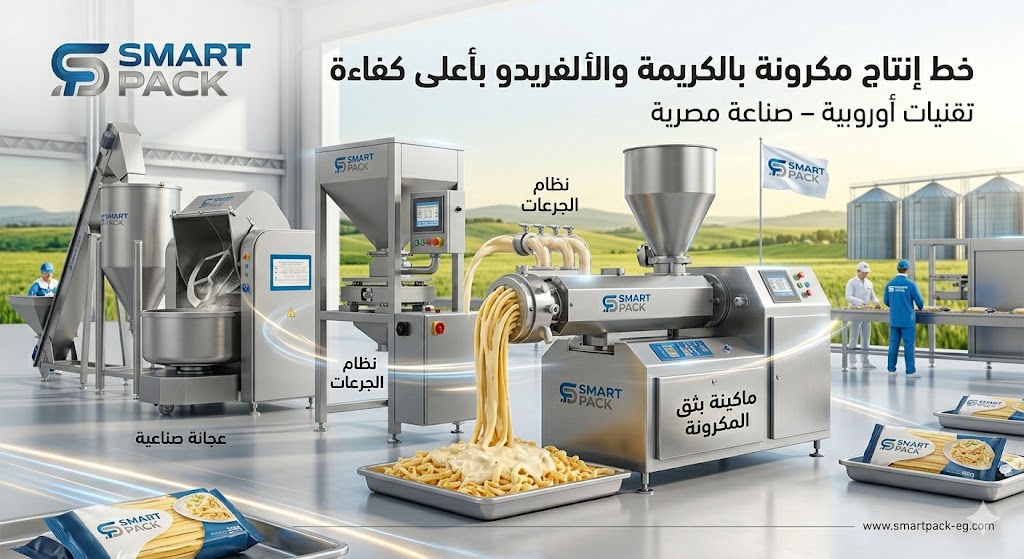
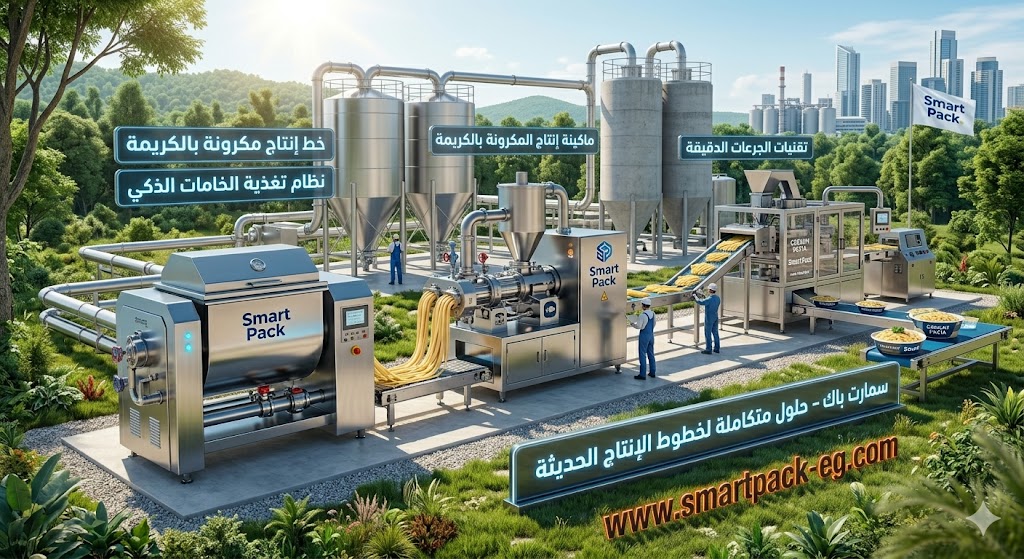
A typical line includes:
Industrial pasta cooking unit with time control
Stainless steel cream sauce mixer
Pasta and sauce blending system
Rapid cooling tunnel to stabilize texture
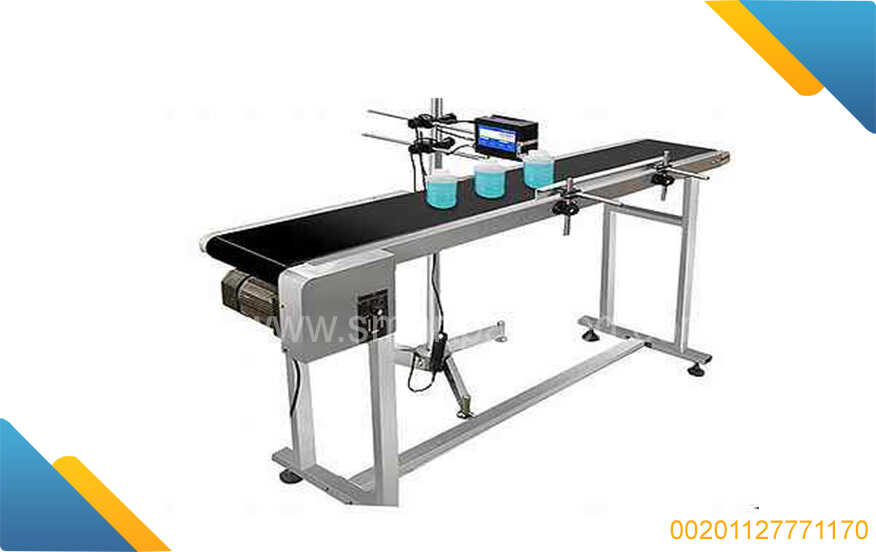
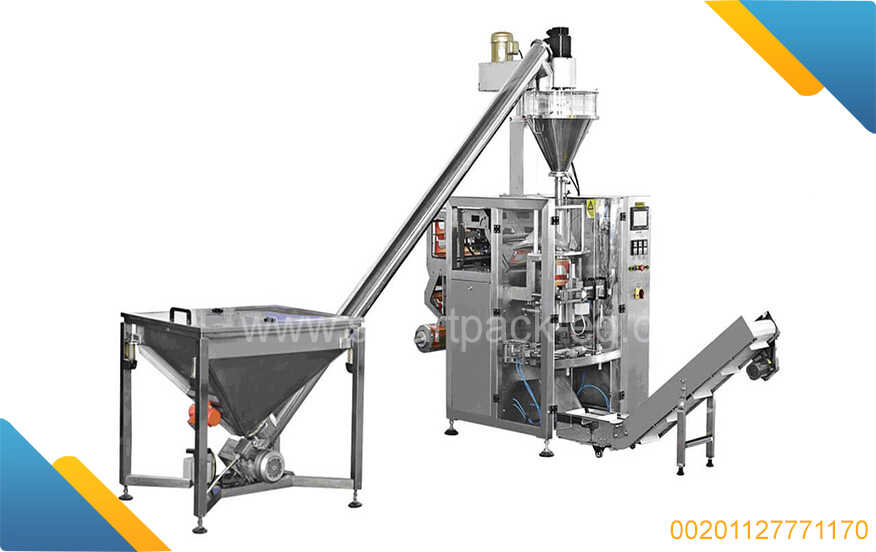
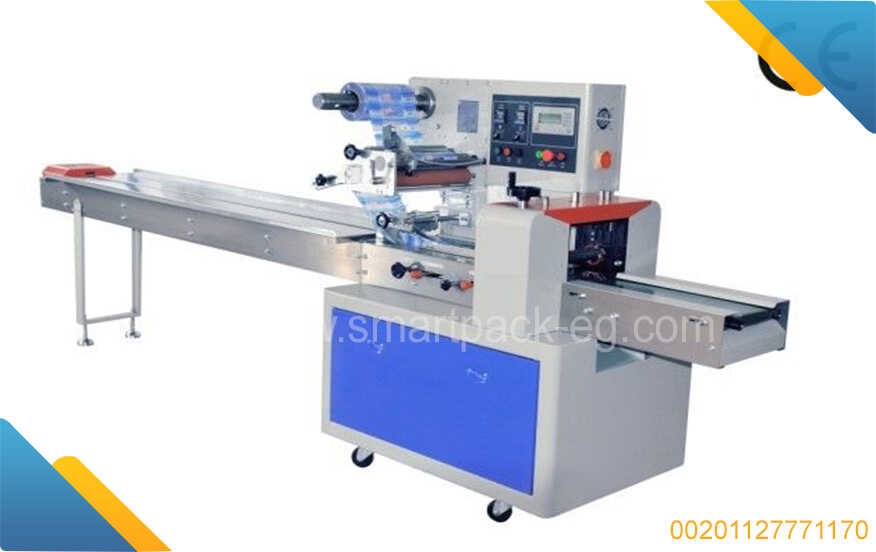
Filling and packaging machines for semi-liquid foods
Accurate weighing and hermetic sealing systems
This setup reduces waste, increases productivity, and guarantees uniform results.
Operating Stages Inside the Factory
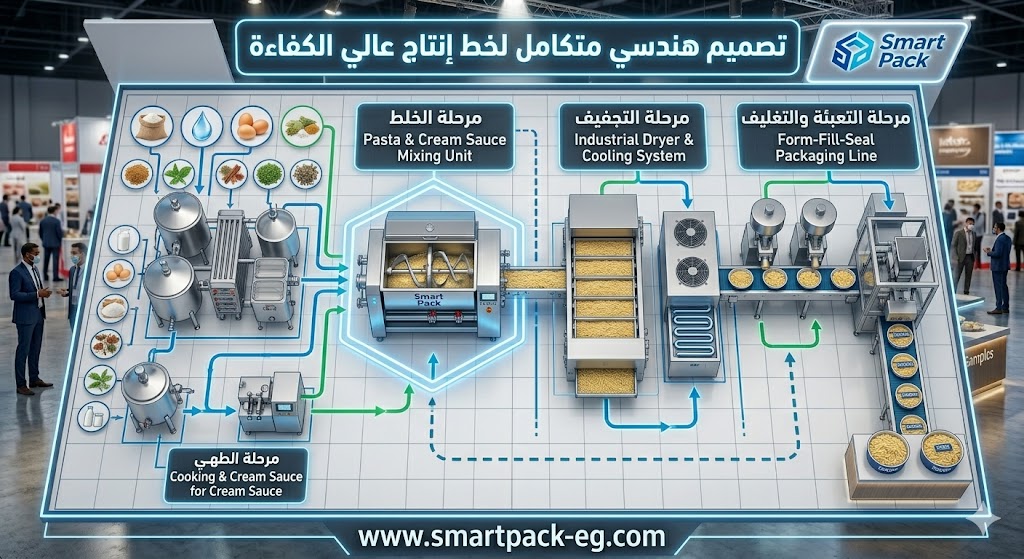
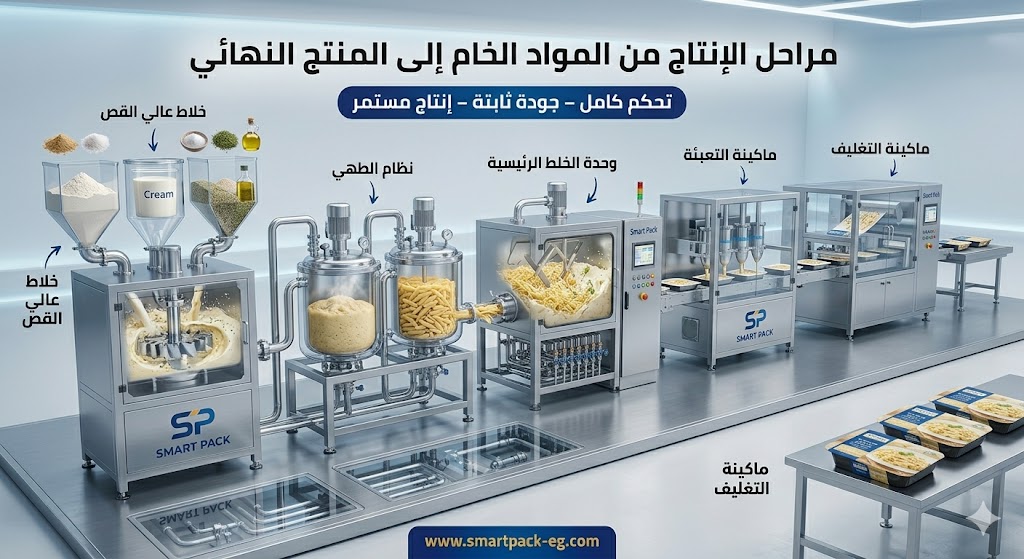
The process begins by cooking pasta to a semi-cooked stage so it maintains the right texture after reheating.
Meanwhile, the whipping cream sauce is prepared with permitted stabilizers to ensure smoothness and thermal stability.
After blending, the product undergoes rapid cooling to preserve structure. It then moves to the filling section, where precise weights are dispensed and packages are tightly sealed to minimize contamination and extend shelf life.
Suitable Filling and Packaging Machines
Because creamy pasta is semi-liquid, specialized equipment is required to prevent leakage or separation.
Recommended systems include:
Medium-viscosity liquid filling machines
Automatic ready-meal tray filling lines
Electronic precision weighing systems
Flexible packaging solutions with quick size changeover
The right equipment directly improves product appearance, consumer trust, and shelf stability.
Comparison of Production Systems
Semi-automatic systems provide medium capacity with lower investment and good flexibility.
Fully automatic systems deliver very high output, excellent consistency, easier marketing, and higher, more stable profit margins.
Export-oriented lines support large-scale production with premium packaging and the highest returns.
Greater automation means faster ROI and stronger competitiveness.
Market Demand and Growth Potential
Ready meals are rapidly expanding in both local and international markets. Creamy pasta fits perfectly in:
Supermarkets
Convenience stores
Fast-food chains
Online grocery platforms
Practical packaging and extended shelf life increase repeat purchases and simplify geographic expansion.
Costs, Profits, and Return on Investment
Raw materials such as pasta, cream, and seasonings are relatively affordable, while the finished product commands a higher retail price.
With an organized production line:
Unit cost decreases
Waste is minimized
Output speed increases
Profit margins improve
ROI grows even faster when offering multiple sizes and flavors on the same line.
Smart Investment Tips for Packaging Factories
Start with one consistent, high-quality recipe
Test the market before scaling
Treat packaging as a key selling tool
Choose flexible lines that allow future flavor expansion
Invest in cooling and airtight sealing to maximize shelf life
Why Choose Smart Pack Solutions
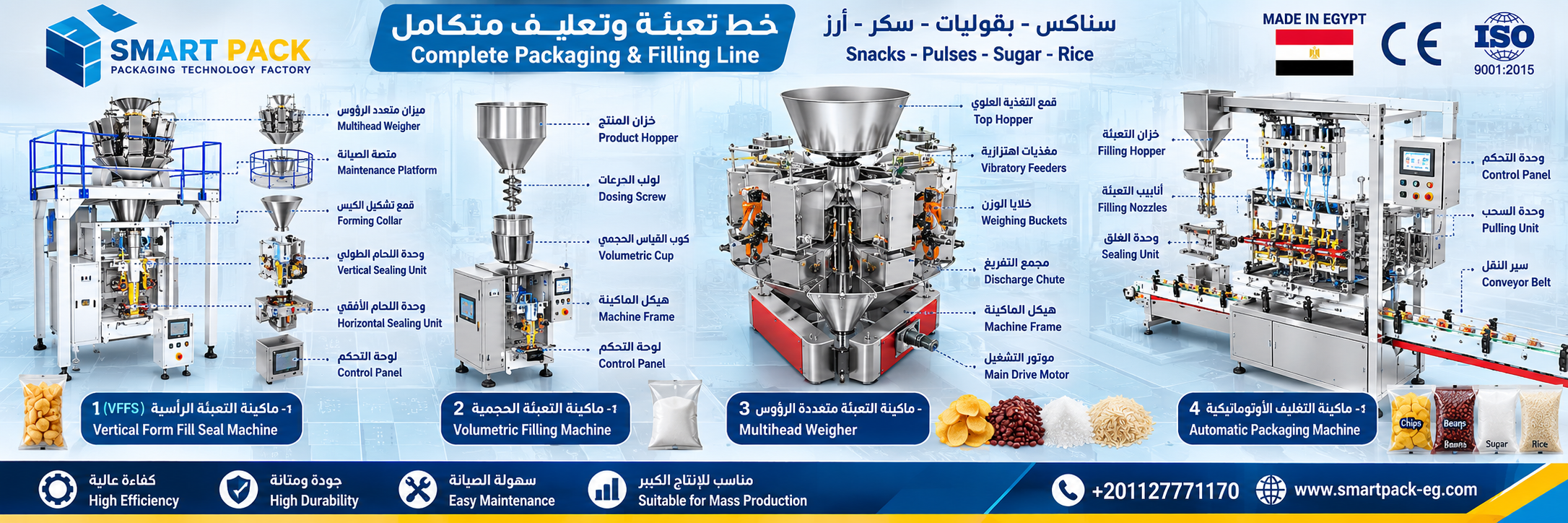
Smart Pack provides specialized filling and packaging machines and integrated food production lines designed specifically for semi-liquid products and ready meals. Their systems ensure stable operation, accurate dosing, and faster returns on investment.
With professional equipment and technical support, factories can launch products quickly and scale confidently.
Frequently Asked Questions
How is creamy pasta produced industrially
By partial cooking, preparing a stable cream sauce, blending, rapid cooling, then precise filling and sealing.
Why is creamy pasta a high-demand product
Because it’s convenient, tasty, quick to prepare, and suitable for many consumer segments.
How does it support profitable investment
It combines low operating costs with higher selling prices and fast turnover.
What production lines are suitable
Automated cooking, mixing, and semi-liquid filling lines.
How does professional packaging improve sales
It enhances appearance, extends shelf life, and increases customer trust.
If you’re looking for a ready-to-eat food product with strong demand and scalable profitability, creamy pasta with whipping cream produced on professional filling and packaging lines is a smart, high-return opportunity. Investing in the right equipment transforms a simple meal into a powerful commercial success.