 Admin
Admin Why Do Food Factories Rely on Figs and Olive Oil? Nutritional Benefits Turned into Profitable Products
In the food manufacturing industry, successful factories do not rely on raw materials simply because they are available. Instead, they focus on ingredients that combine high nutritional value, strong consumer acceptance, and solid economic returns.
Figs and olive oil represent a perfect example of this combination, where deep-rooted food heritage meets modern demand and open global markets. This is why food factories increasingly depend on figs and olive oil as foundations for high-value, profitable food products.
The real difference in profitability and industrial sustainability comes from shifting away from selling figs and olive oil as raw materials toward manufacturing advanced food products.
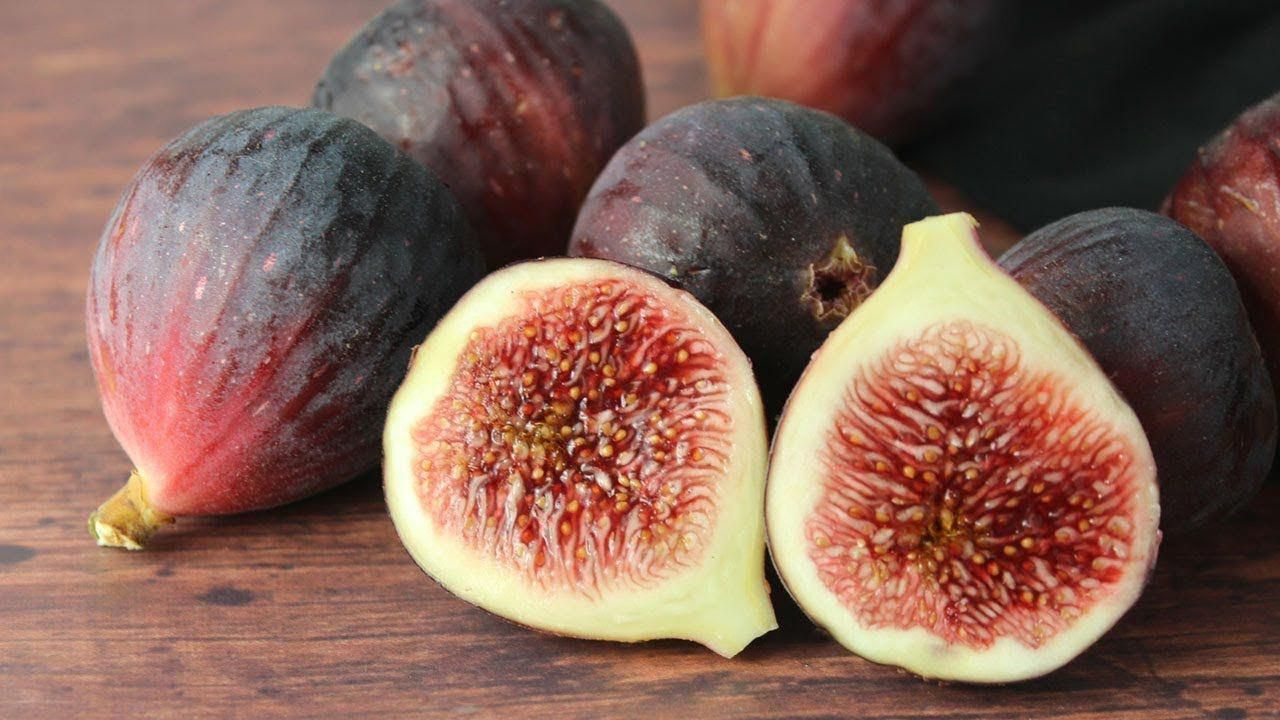
Why Are Figs a Strategic Raw Material in Food Manufacturing?
Figs are not just a seasonal fruit; they are a strategic food ingredient with wide industrial applications and high added value after processing. Demand is not limited to local markets but extends strongly into Arab and European markets, where figs are positioned as a healthy and premium product.
Key reasons factories rely on figs:
-
High nutritional value, making them a preferred healthy product
-
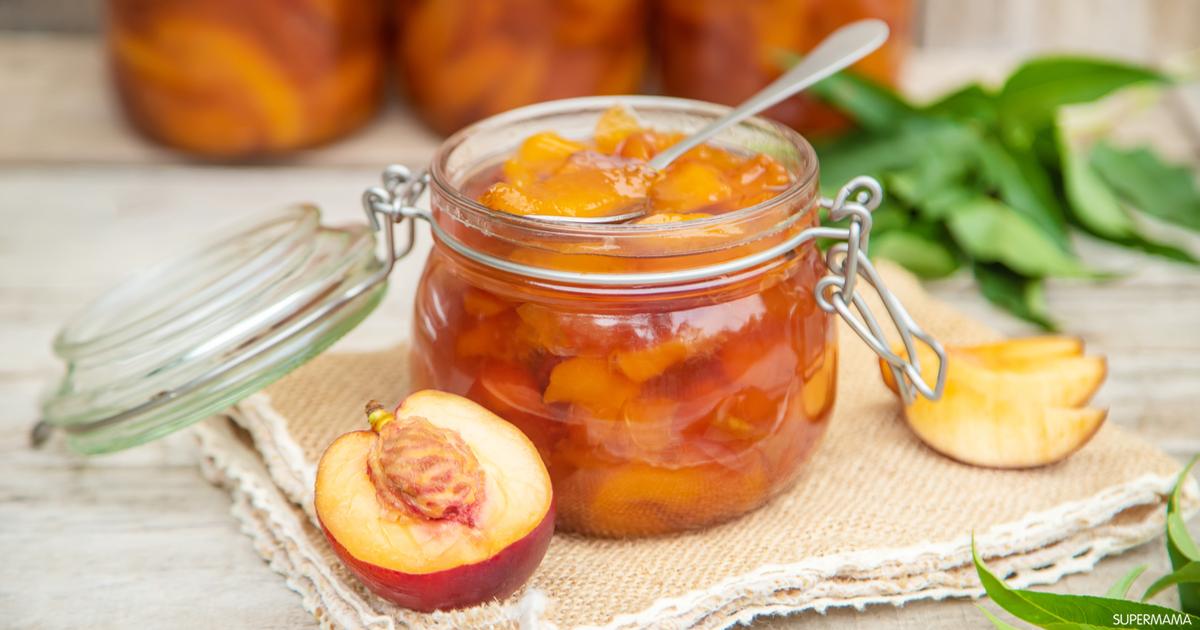
Ability to process them into jam, dried products, and food pastes
-
Much higher selling price after processing compared to raw figs
-
Strong export demand with relatively limited industrial competition
-
Long shelf life after proper processing
Processing figs into manufactured products multiplies their market value and significantly reduces losses caused by fresh fruit spoilage.
Why Is Olive Oil a Core Ingredient in Food Production Lines?
Olive oil is one of the most globally demanded food products, backed by a powerful health reputation that makes it a cornerstone of modern dietary trends. For factories, olive oil is not just a finished product ready for sale; it is also a key ingredient used across dozens of food industries.
Main reasons factories depend on olive oil:
-
Stable and growing global demand
-
High nutritional and health value
-
Strong branding and private-label opportunities
-
Wide use across multiple food applications
-
Easy storage, transportation, and export
These factors position olive oil as one of the most stable and profitable products in the food sector.
How Do Nutritional Benefits Become Profitable Industrial Products?
Nutritional value alone does not guarantee profit. Smart manufacturing is what transforms nutritional benefits into commercially successful products. Figs and olive oil offer a major advantage: they can be converted into high-priced final products without excessive industrial complexity.
Examples of profitable products:
-
Premium-quality fig jam
-
Fig-based products for restaurants and hotels
-
Branded bottled olive oil
-
Olive oil–based food blends
-
Health-focused export-oriented food products
The price gap between raw materials and finished products is what creates real profit margins for factories.
The Role of Production Lines in Maximizing Returns from Figs and Olive Oil
Modern production lines enable factories to:
-
Increase production capacity
-
Standardize product quality
-
Minimize waste
-
Achieve fast product turnover
-
Comply with food safety standards
Dedicated production lines turn figs and olive oil processing into a scalable, organized industrial operation, rather than a seasonal activity.
Filling and Packaging Machines and Their Role in Increasing Market Value
Packaging is not just a final step; it is a powerful marketing tool. High-value food products require packaging that reflects quality and supports premium pricing.
Suitable filling and packaging machines for figs and olive oil:
-
Viscous liquid filling machines
-
Oil filling machines
-
Jam and food paste filling machines
-
Professional packaging machines for glass containers
Investing in accurate filling and packaging machines reduces waste and builds market confidence in the product.
Economic Comparison: Selling Raw Materials vs. Manufacturing
| Factor | Selling Raw | Manufactured Product |
|---|---|---|
| Profit margin | Low | High |
| Shelf life | Short | Long |
| Export opportunities | Limited | Wide |
| Price control | Weak | Strong |
| Branding | Not possible | Fully achievable |
This comparison clearly explains why factories shift toward manufacturing instead of raw material sales.
Market Study for Fig- and Olive Oil–Based Products
Global markets are witnessing clear growth in demand for:
-
Healthy food products
-
High-quality traditional foods
-
Natural and minimally processed products
Figs and olive oil sit at the center of this trend, giving factories the opportunity to build long-term, high-demand products with minimal market volatility.
Investment Tips for Food Factories
-
Focus on manufacturing rather than selling raw materials
-
Build products with a clear and distinctive identity
-
Treat packaging as a strategic marketing asset
-
Invest in flexible, scalable production lines
-
Plan for export markets from the very beginning
Why Do Factories Choose Integrated Solutions from Smart Pack?
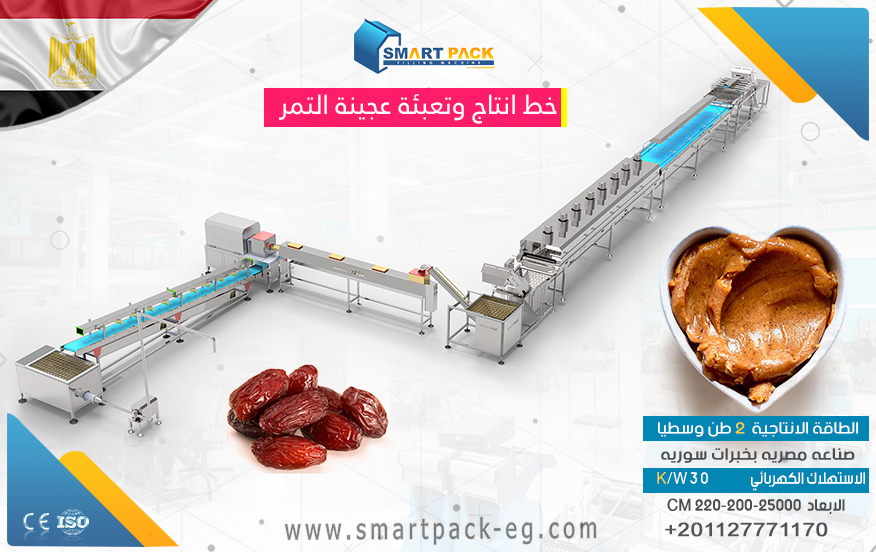
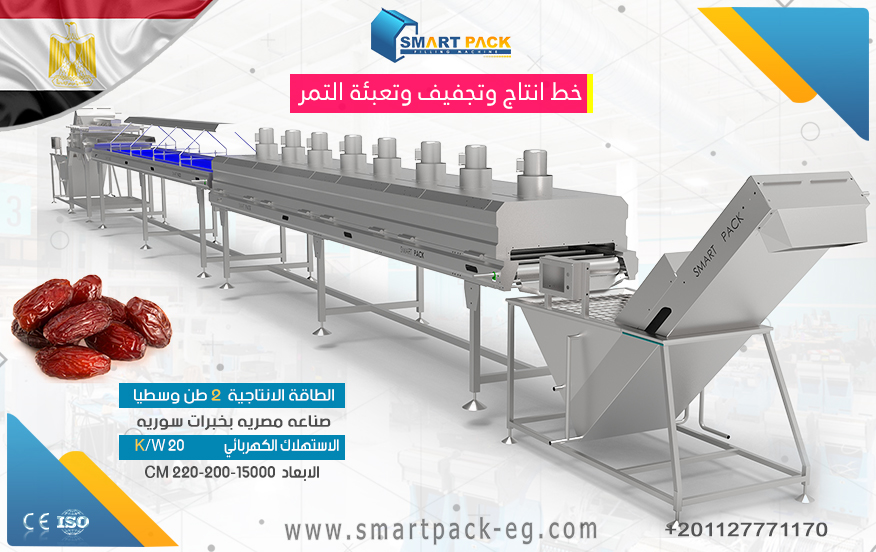
Successfully transforming figs and olive oil into profitable products depends directly on equipment quality and system integration. Smart Pack provides complete industrial solutions for food factories, including:
-
High-precision filling and packaging machines
-
Complete food production lines
-
Customized solutions for jams and edible oils
-
Technical support and industrial expertise
Choosing a reliable industrial partner reduces operational risk and accelerates time-to-market.
Frequently Asked Questions
Why are figs considered an industrially profitable raw material?
Because they are easily transformed into high-priced products with relatively low competition.
Is olive oil suitable for small factories?
Yes, factories can start with a simple filling line and expand gradually.
What is the most important success factor for fig-based products?
Raw material quality combined with professional packaging.
Are fig and olive oil products suitable for export?
Yes, global demand is strong and stable.
What is the main difference between selling raw materials and manufacturing?
Manufacturing multiplies profit margins and gives factories stronger market control.
If you are looking for raw materials that combine high nutritional value with strong industrial profitability, figs and olive oil are among the smartest choices for food factories.
Start turning nutritional benefits into profitable manufactured products, invest in professional production lines and filling machines, and position your factory as a strong player in the high-value food market.
Contact Smart Pack today to receive integrated industrial solutions that place your factory ahead of the competition.